Ultrasonic Cleaning in Laboratory: Complete Guide
Laboratory equipment must remain clean and free of contamination to ensure accurate experimental results. Traditional cleaning methods such as manual washing or chemical soaking often fail to remove residues from complex or delicate instruments.
For this reason, many laboratories use Ultrasonic Cleaning Machine to achieve efficient and thorough cleaning. Ultrasonic cleaning uses high-frequency sound waves to remove contaminants from surfaces without damaging delicate components.
This guide explains how ultrasonic cleaning works, its advantages in laboratory environments, and how to choose the right ultrasonic cleaner.
What Is Ultrasonic Cleaning?
Ultrasonic Cleaning is a process that uses high-frequency ultrasonic waves, typically between 20 kHz and 40 kHz, to create microscopic bubbles in a cleaning liquid.
These bubbles rapidly expand and collapse in a phenomenon known as cavitation. The energy released during bubble collapse produces tiny shock waves that remove dirt, grease, particles, and residues from the surfaces of objects.
Because ultrasonic waves penetrate small spaces and narrow gaps, ultrasonic cleaning can reach areas that are difficult to clean manually.
Why Ultrasonic Cleaning Is Important in Laboratories
Maintaining clean laboratory equipment is critical for reliable research and analysis. Even small amounts of contamination can affect experimental results.
Ultrasonic cleaning provides several advantages for laboratory environments:
Deep Cleaning
Ultrasonic cavitation allows cleaning solutions to reach narrow channels, crevices, and complex geometries.
Non-Destructive Cleaning
Unlike mechanical scrubbing, ultrasonic cleaning does not damage delicate surfaces.
Time Efficiency
Cleaning cycles typically take only a few minutes.
Improved Experimental Accuracy
Clean glassware and instruments reduce contamination risks in analytical procedures such as High-Performance Liquid Chromatography and other laboratory tests.
How Ultrasonic Cleaning Works
The ultrasonic cleaning process involves several steps.
1 Ultrasonic Energy Generation
An ultrasonic generator produces high-frequency electrical signals that drive ultrasonic transducers.
2 Cavitation Bubble Formation
The transducers convert electrical energy into mechanical vibrations, creating microscopic bubbles in the cleaning liquid.
3 Bubble Implosion
When the bubbles collapse, they release localized energy that dislodges contaminants from surfaces.
4 Removal of Contaminants
Dirt, grease, particles, and residues are removed from the object and dispersed into the cleaning solution.
This process is extremely effective for cleaning complex laboratory tools and precision instruments.
Common Laboratory Applications of Ultrasonic Cleaning
Ultrasonic cleaning machines are widely used in research laboratories and analytical facilities.
Cleaning Laboratory Glassware
Beakers, flasks, and test tubes can accumulate chemical residues during experiments. Ultrasonic cleaning helps remove these residues efficiently.
Cleaning Pipettes and Small Instruments
Ultrasonic cleaners can clean narrow pipette channels and small laboratory tools that are difficult to wash manually.
Cleaning Filtration Equipment
Filtration devices and sample preparation tools often require thorough cleaning to avoid contamination.
Cleaning Optical Components
Ultrasonic cleaning can safely remove dust and residues from lenses and optical instruments.
What Laboratory Equipment Can Be Cleaned with Ultrasonic Cleaners?
Ultrasonic cleaning is suitable for a wide variety of laboratory equipment, including:
- laboratory glassware
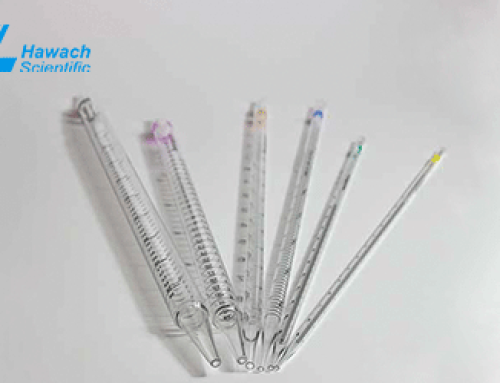
- pipettes and burettes
- stainless steel instruments
- filtration equipment
- chromatography accessories
- optical lenses
- metal tools and components
However, some delicate materials may require careful adjustment of ultrasonic power and cleaning time.
Choosing the Right Ultrasonic Cleaning Machine for a Laboratory
Selecting the appropriate ultrasonic cleaner depends on several factors.
Tank Capacity
The size of the cleaning tank should match the type and quantity of laboratory tools.
| Tank Capacity | Typical Use |
| 2–3 L | Small laboratory tools |
| 6 L | Standard laboratory equipment |
| 10 L or larger | Multiple instruments or industrial components |
Ultrasonic Frequency
Different ultrasonic frequencies are suitable for different cleaning tasks.
| Frequency | Application |
| 25–30 kHz | Heavy contamination |
| 40 kHz | Precision cleaning |
Higher frequencies produce smaller cavitation bubbles, which are better for delicate laboratory equipment.
Heating Function
Some ultrasonic cleaners include heating systems that improve cleaning efficiency.
Heating can:
- dissolve oils and grease
- enhance chemical activity
- improve overall cleaning performance
Best Practices for Ultrasonic Cleaning in Laboratories
To achieve the best cleaning results, laboratories should follow these guidelines:
- Use appropriate cleaning solutions depending on the contaminants.
- Avoid overloading the cleaning tank.
- Ensure objects are fully submerged in the cleaning liquid.
- Use proper cleaning time to avoid unnecessary exposure to ultrasonic energy.
- Replace cleaning solutions regularly.
Following these practices helps maintain cleaning efficiency and extend equipment life.
Ultrasonic Cleaning vs Traditional Cleaning Methods
| Method | Advantages | Limitations |
| Ultrasonic Cleaning | Deep cleaning, reaches complex areas | Requires equipment |
| Manual Cleaning | Simple process | Limited effectiveness |
| Chemical Soaking | Removes some residues | Slower and less precise |
Ultrasonic cleaning offers a balance between efficiency and gentle treatment of delicate laboratory tools.
Frequently Asked Questions
What liquid should be used in an ultrasonic cleaner?
Most ultrasonic cleaners use water combined with a suitable cleaning agent designed for laboratory applications.
How long should ultrasonic cleaning take?
Typical ultrasonic cleaning cycles range from 5 to 15 minutes, depending on the contamination level and material.
Can ultrasonic cleaning damage laboratory glassware?
When used properly, ultrasonic cleaning is safe for most laboratory glassware and precision instruments.
Do ultrasonic cleaners require maintenance?
Regular cleaning of the tank and periodic replacement of cleaning solutions help maintain optimal performance.
Conclusion
Ultrasonic cleaning has become an essential technology in modern laboratories. By using high-frequency sound waves and cavitation effects, ultrasonic cleaners provide efficient and non-destructive cleaning for laboratory equipment.
Compared with traditional cleaning methods, ultrasonic cleaning offers deeper cleaning, shorter cleaning times, and improved experimental reliability.
Laboratories that require reliable cleaning solutions often rely on professional Ultrasonic Cleaning Machine to maintain clean and contamination-free instruments.