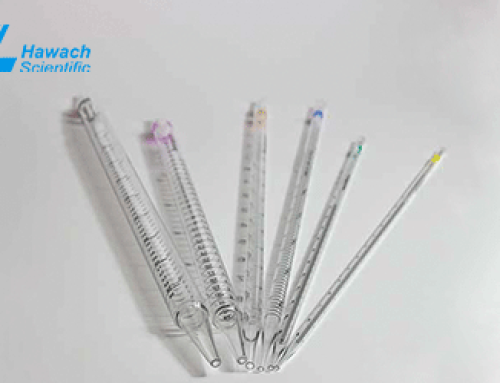
Ordinary Pipette Tips, Filter Pipette Tips, Low Adsorption Pipette Tips
A pipette without a tip cannot be used to pipette. There are several methods to test the tip. Test tips require a calibrated pipette. We can test the accuracy, air tightness, anti-aerosol performance, pollutant detection, and detection of inhibitory substances.
(1) Accuracy: The several tips are respectively sucked and weighed by a quantitative amount of pure water, and the relationship between weight and volume is converted according to 1 g/mL.
(2) Air tightness: Take several tips, absorb the ink containing 1% glycerin in the range, and observe that the colored liquid does not appear on the filter plug, and the liquid level is the same as qualified.
(3) Anti-aerosol performance: Take several tips, suck up the positive nucleic acid, blow and suck 10 times, change another new tip to blow and suck 10 times in negative pure water, and take the negative pure water as the template for amplification, qPCR no amplification is qualified.
(4) Pollutant detection: Take several tips, suck negative pure water for 10 times, and take negative pure water as a template for amplification. No qPCR amplification is qualified.
(5) Detection of inhibitory substances: take several tips, suck the weak positive quality control substance and repeat 10 times, and then extract; suck RNA nucleic acid and DNA nucleic acid repeatedly 10 times, use them as templates for amplification, and qPCR amplification. The increase is not suppressed as a pass.


There are three types of tips available in the market and we can choose them based on specific requirements.
Ordinary pipette tips
Ordinary pipette tips are widely used, and ordinary tips are generally purchased in laboratories, which are basically suitable for all pipetting. This is the most economical and cost-effective type of tip. Ordinary pipette tips are suitable for a variety of different brands and different types of pipettes with good adaptability. The tube body has good transparency and a scale line, which is easy to confirm and observe when using. Resistant to organic solvents. Each package can be tracked with the independent item number to ensure quality. Various capacities are available. The ordinary tips of different capacities are designed in different colors for easy identification.
Filter pipette tip
The filter tip can be said the ordinary tip upgraded version. The filter is added to the ordinary tip, and the pore size is optimized to ensure the barrier effect and good ventilation. Filter pipette tips are designed to protect the pipette, prevent the liquid from being sucked back, and avoid cross-contamination during the experiment. Various capacities are available: 10/100/200/1000uL. The color is transparent. The filter pipette tip can ensure the safety of experimenters and reduce the spread of harmful products; it can ensure the safety of samples: no heat source, no Dnase/Rnase, no PCR inhibitors; it can ensure the safe use of pipettes, avoid liquid rushing into the cavity, maintain Precision, accuracy, and extended pipette life.
Filter pipette tips are suitable for handling demanding molecular biology samples such as PCR samples and handling hazardous samples such as radioactivity, biotoxicity, corrosiveness, and volatile
Low adsorption pipette tips
Low adsorption pipette tips are generally used in experiments that require high sensitivity, or precious samples or reagents that are easy to retain, which can minimize sample loss and improve recovery. The surface of the low adsorption tip has been hydrophobically treated, which can reduce the situation that the low surface tension liquid leaves more residue in the tip. Low adsorption pipette tips can greatly reduce sample loss, avoid protein absorption, and facilitate the transfer of viscous materials, genomic DNA, or delicate cell cultures, which is the best guarantee for obtaining highly accurate experimental results.
Low adsorption tips can be used for important procedures that require high precision for micro pipetting, and can also be used for pipetting of samples containing molecules that are easily adsorbed on the surface of the tip, such as proteins, peptides, etc.