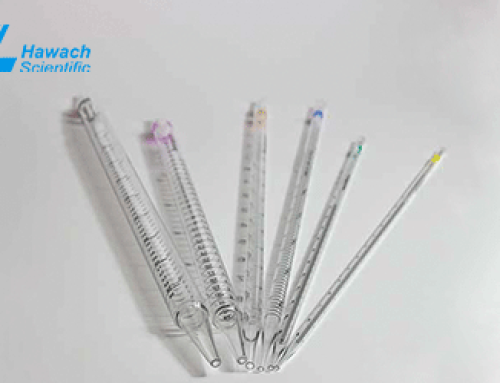
Hawach From Laboratory Filtration to Sample Preparation
The accuracy of laboratory results depends not only on advanced analytical instruments but also on the quality of consumables used throughout the experimental workflow. From sample filtration and chromatographic separation to microbiological testing and cell culture, laboratory consumables play a critical role in ensuring reliable and reproducible results.
As industries such as pharmaceuticals, biotechnology, environmental monitoring, food safety, and scientific research continue to expand, the demand for high-quality laboratory consumables is growing rapidly. In this evolving market, laboratories are increasingly seeking suppliers capable of providing comprehensive solutions rather than individual products. Hawach represents a notable example of this industry transformation.
The Laboratory Consumables Industry Is Evolving
Traditionally, laboratories sourced membrane filters, chromatography columns, pipetting products, and cell culture consumables from multiple suppliers. While this approach offered flexibility, it often created challenges related to product compatibility, supply chain management, and technical support.
Today, laboratory managers increasingly prefer working with suppliers that can support multiple stages of the analytical workflow. This approach simplifies procurement processes and improves operational efficiency.
As a result, laboratory consumables manufacturers are expanding beyond single-product categories and developing integrated product portfolios that address diverse laboratory needs.
Filtration Technology Remains the Foundation of Laboratory Work
Whether in pharmaceutical development, environmental analysis, or food testing, filtration is an essential step throughout the analytical process.
Particulate contamination, microbial presence, and insoluble substances can significantly impact analytical accuracy. Therefore, laboratories must select appropriate filtration materials based on sample characteristics.
For example:
- Hydrophilic membranes are commonly used for aqueous solutions.
- Hydrophobic membranes are suitable for organic solvents and gas filtration.
- Low-protein-binding membranes are preferred for biological samples.
- Chemically resistant membranes are ideal for aggressive solvents and complex matrices.
Modern laboratories view filtration products not merely as consumables but as critical tools for maintaining data integrity.
Manufacturers capable of supplying complete filtration solutions—including membrane filters, syringe filters, and vacuum filtration systems—are increasingly well positioned to support laboratory workflows.
Sample Preparation Has Become a Critical Analytical Step
As analytical instruments achieve higher sensitivity, the importance of sample preparation continues to increase.
Many analytical errors originate not from the instrument itself but from inadequate sample preparation procedures.
For example, in environmental analysis, target contaminants often exist at trace concentrations. Without effective purification and enrichment techniques, matrix interferences can compromise analytical performance.
Consequently, technologies such as solid phase extraction (SPE), QuEChERS sample preparation, and advanced filtration methods have become indispensable in modern laboratories.
Future developments in sample preparation are expected to focus on:
- Higher recovery rates
- Lower matrix effects
- Faster processing times
- Improved compatibility with automated systems
Suppliers that provide both purification consumables and analytical separation products can offer significant advantages to laboratory users.
For laboratories performing sample cleanup and enrichment, products such as SPE cartridges are becoming increasingly important.
Chromatography Consumables Continue to Drive Analytical Innovation
Chromatography remains one of the most important analytical techniques across multiple industries.
Whether for pharmaceutical research, pesticide residue analysis, or chemical testing, column performance directly affects analytical outcomes.
Current market demand is increasingly focused on:
Higher Separation Efficiency
Laboratories seek faster analytical methods without sacrificing resolution.
Longer Column Lifetime
Extended column durability reduces operating costs and minimizes workflow interruptions.
Better Batch-to-Batch Consistency
Quality control laboratories require highly reproducible chromatography performance across different production lots.
Manufacturers with strong research capabilities and rigorous quality systems are better positioned to meet these expectations.
Products such as HPLC columns and flash chromatography consumables continue to play a central role in analytical laboratories worldwide.
Life Science Applications Create New Growth Opportunities
Beyond traditional analytical laboratories, life science research is becoming a major driver of laboratory consumables demand.
Rapid growth in cell biology, biopharmaceutical development, molecular diagnostics, and tissue engineering has increased demand for:
- Cell culture flasks
- Petri dishes
- Multiwell plates
- Centrifuge tubes
- Pipetting products
- PCR consumables
Compared with general laboratory products, life science consumables require stricter manufacturing controls and higher sterility standards.
As biotechnology industries continue to expand globally, demand for high-quality cell culture consumables is expected to increase significantly.
One-Stop Supply Solutions Are Becoming the Industry Standard
Today’s laboratories evaluate suppliers based on more than product pricing.
Key considerations include:
- Product consistency
- Supply reliability
- Technical support capabilities
- Customization options
- Product portfolio breadth
As a result, one-stop sourcing models are gradually replacing fragmented purchasing strategies.
For laboratories, working with a supplier capable of supporting filtration, sample preparation, chromatography, and life science applications can reduce procurement complexity and improve operational efficiency.
For manufacturers, offering a comprehensive product ecosystem enhances customer retention and strengthens market competitiveness.
Looking Ahead
The laboratory industry is moving toward automation, digitalization, and high-throughput workflows.
At the same time, laboratory consumables manufacturers face increasing demands for:
- Higher product purity
- Stricter quality standards
- Improved batch consistency
- Environmentally responsible manufacturing
- Smarter product designs
Companies that continue investing in research, manufacturing excellence, and integrated product solutions will be best positioned for long-term success.
From filtration technologies to sample preparation, chromatography, and life science applications, the laboratory consumables industry is evolving from product-focused competition toward complete workflow solutions. Organizations capable of supporting every stage of the laboratory process will play a critical role in advancing scientific research and analytical innovation worldwide.
Related Products
To learn more about Hawach laboratory consumables, explore:
- Membrane Filters: https://www.hawach.com/membrane-filters/
- Syringe Filters: https://www.hawach.com/syringe-filters/
- SPE Cartridges: https://www.hawach.com/spe-cartridges/
- HPLC Columns: https://www.hawach.com/hplc-columns/
- Vacuum Filtration Systems: https://www.hawach.com/vacuum-filtration/
- Cell Culture Consumables: https://www.hawach.com/cell-culture-consumables/
- Laboratory filtration solutions: https://www.hawach.com/lab-filtration-consumables/
- Chromatography consumables: https://www.hawach.com/chromatography-consumables/